Summary
Growing in grace and knowing truth from error.
by Dr. David Silver2 min read
Read the Summaryby Dr. David Silver2 min read
2 Peter is a NT epistle, written by the apostle Peter in the mid 60’s A.D., a few years after his first letter. He wanted to remind the church of apostolic teaching, to guard against false teachers, and to consider the day of the Lord. This book is like the book of Jude. It is Peter’s last testament, as he realized he would be martyred soon, and he wanted the church to hold tight to the gospel and to be stimulated to wholesome thinking (3:1).
In chapter 1, he wanted the believers to make their calling and election sure (1:10). He listed seven (number of completeness) qualities to be added to faith to grow into maturity and to be productive in the Christian life: goodness, knowledge, self-control, perseverance, godliness, brotherly kindness, and love. The church is to depend upon the Word of God, which was handed down by the prophets and the apostles. Peter, as an apostle, recounts the transfiguration of Christ, where they heard the voice of the Majestic Glory calling Jesus ‘the son, whom he loves, with whom he is well pleased.’ The word of the prophets was made more certain (1:19) by the apostolic witness to the fulfillment of Scripture in the life, death, and resurrection of the Messiah Jesus.
In chapter 2, Peter warned the church about false teachers (2:1). They will secretly introduce heresies, deny the sovereign Lord, follow shameful ways, be greedy, make up stories, be bold, arrogant, despise authority, and blaspheme. Peter compared their punishment to the demons’ judgment, and that of ungodly ancient people during the time of the flood, Sodom and Gomorrah, and Balaam. Like brute beasts, they too will perish (2:12). With eyes full of adultery, they never stop sinning (2:14). Blackest darkness is reserved for them (2:17). They are slaves of depravity (2:19).
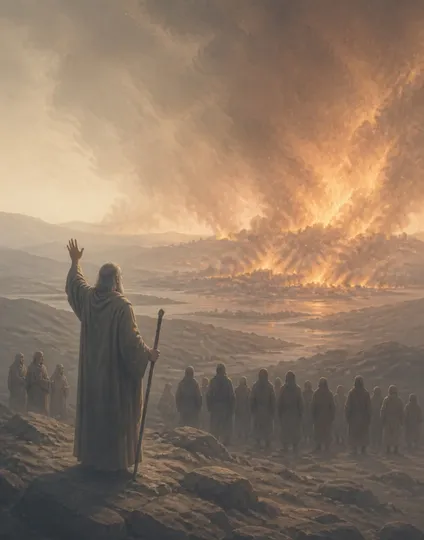
In chapter 3, Peter predicts what will happen in the day of the Lord, the end times. In the last days scoffers will come (3:3). They will complain that the Lord’s Day has not come yet. By the word, the present heavens and earth are reserved for fire, being kept for judgment (3:7). Peter clarified that the Lord does not work on our timetable- with him a day is like a thousand years. Since everything will be destroyed in this way, God’s people are to live holy and godly lives (3:11). They are looking forward to a new heaven and a new earth (3:13). The Lord’s patience means salvation (3:15). The church is not to be carried away by lawless error, but rather to grow in the grace and knowledge of Christ (3:17-18).
Structure
Chapter 1
Everything needed for life and godliness already given; seven qualities to add to faith; and the eyewitness account of the transfiguration behind the prophetic word.
Chapter 2
Heresies introduced secretly, greed and exploitation, and examples of judgment from the angels, the flood, Sodom and Balaam.
Chapter 3
Scoffers asking where the promise is; with the Lord a day is like a thousand years; His patience means salvation — so live holy lives and look for a new heaven and a new earth.
Key Themes
01
Add to your faith; the letter opens and closes with growing.
02
Knowing Christ truly is the antidote to being taken in.
03
A whole chapter describing what it looks like and where it leads.
04
No prophecy came by human will; men spoke from God as carried by the Spirit.
05
The delay is mercy — God is not slow but patient.
The Challenge We Face
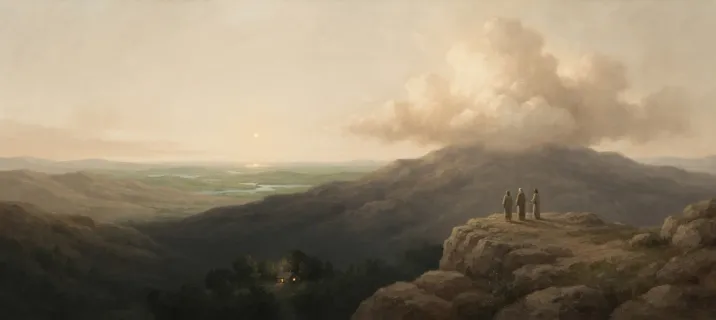
Peter grounds everything in what he saw: we did not follow cleverly invented stories, but were eyewitnesses of His majesty on the sacred mountain.
And he ends the letter where he began — grow in the grace and knowledge of our Lord and Saviour Jesus Christ, to whom be glory both now and forever.
Apply Scripture
God has already given you everything you need for godliness.
Faith is meant to grow and add to itself.
False teaching usually appeals to appetite, not to reason.
The gospel rests on eyewitness testimony, not invention.
God’s apparent slowness is His patience, and it is for people to be saved.
Study guides
You've seen the big picture. Now explore the book verse by verse with our practical Bible Study Guide.
Related Resources


Find Your Starting Point
Complete a short assessment and discover where to begin your Bible study journey.

TBM Study Assessment
Recommendation:
After Assessment


Initial assessment
next step:
Discover our recommended study path

Still Have Questions?
Peter the apostle.
Approximately AD 65–67.
2 Peter 3:18.
Growing in grace and knowing truth from error. Key theme: Grow in grace, and know truth from error.
Peter grounds everything in what he saw: we did not follow cleverly invented stories, but were eyewitnesses of His majesty on the sacred mountain.
Peter’s last letter, written as he expected to die.