
Learn the inductive method Dr. David Silver teaches: observe what the text says, interpret what it means, and apply it to your life. Nine short lessons and a free hermeneutics guide.
Our philosophy
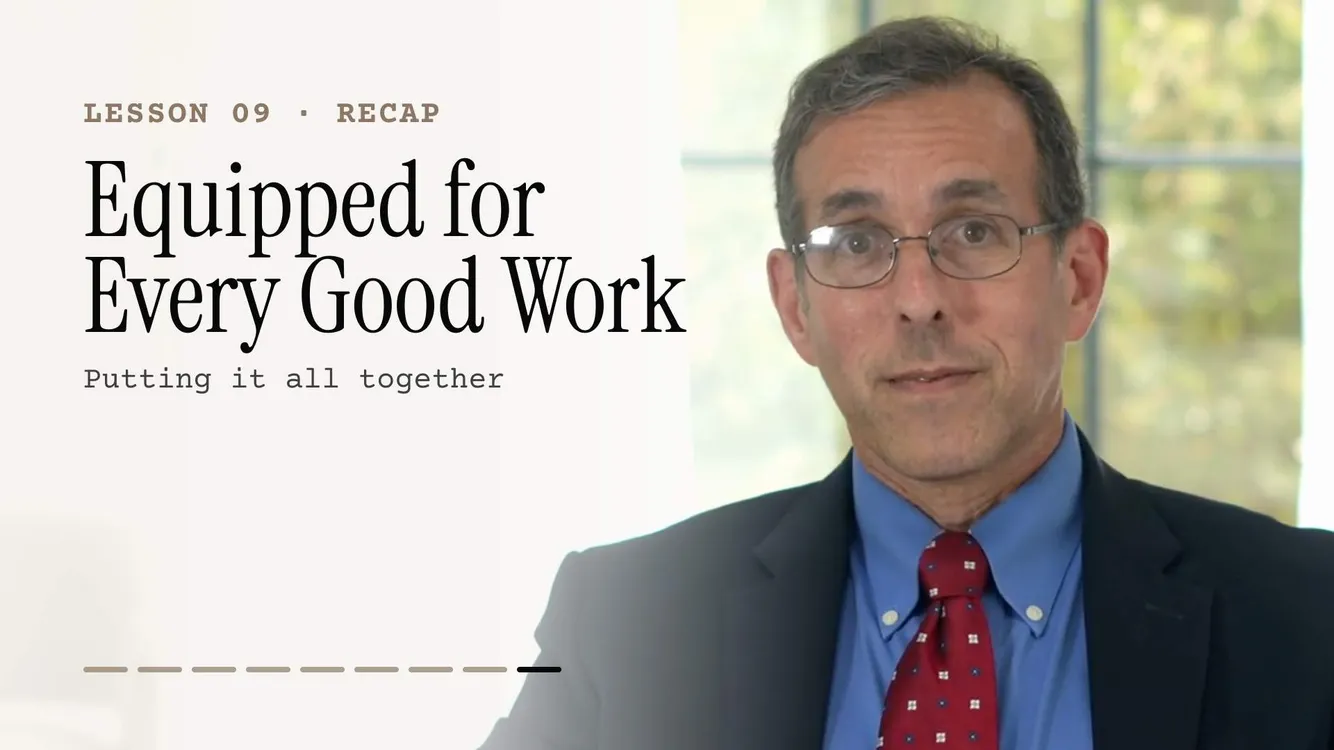
This lesson’s video is coming soon.
Lesson 01
Every lesson is unlocked. The Hermeneutics Guide is in your inbox.
PDF preview
Explore a preview of our practical guide to understanding and interpreting Scripture.
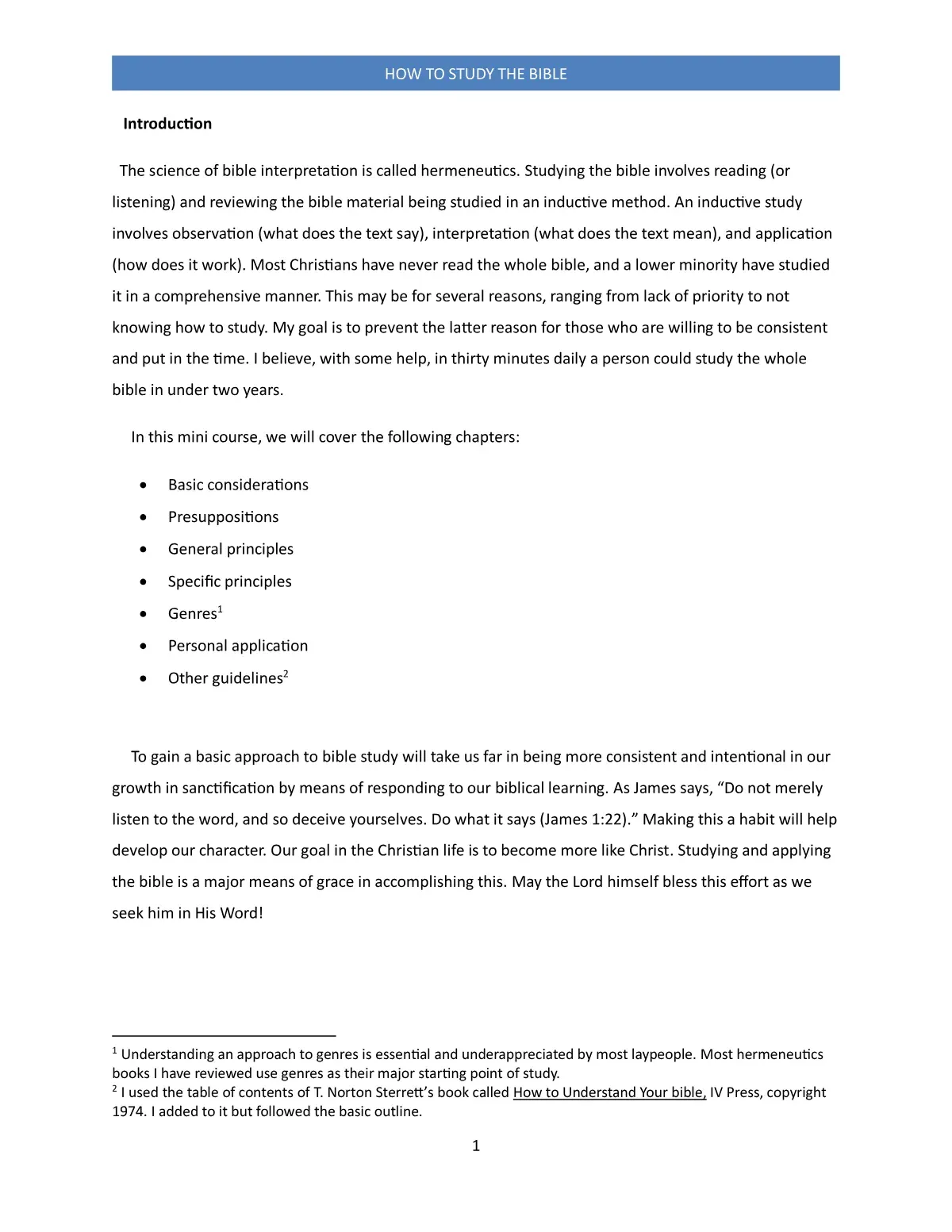
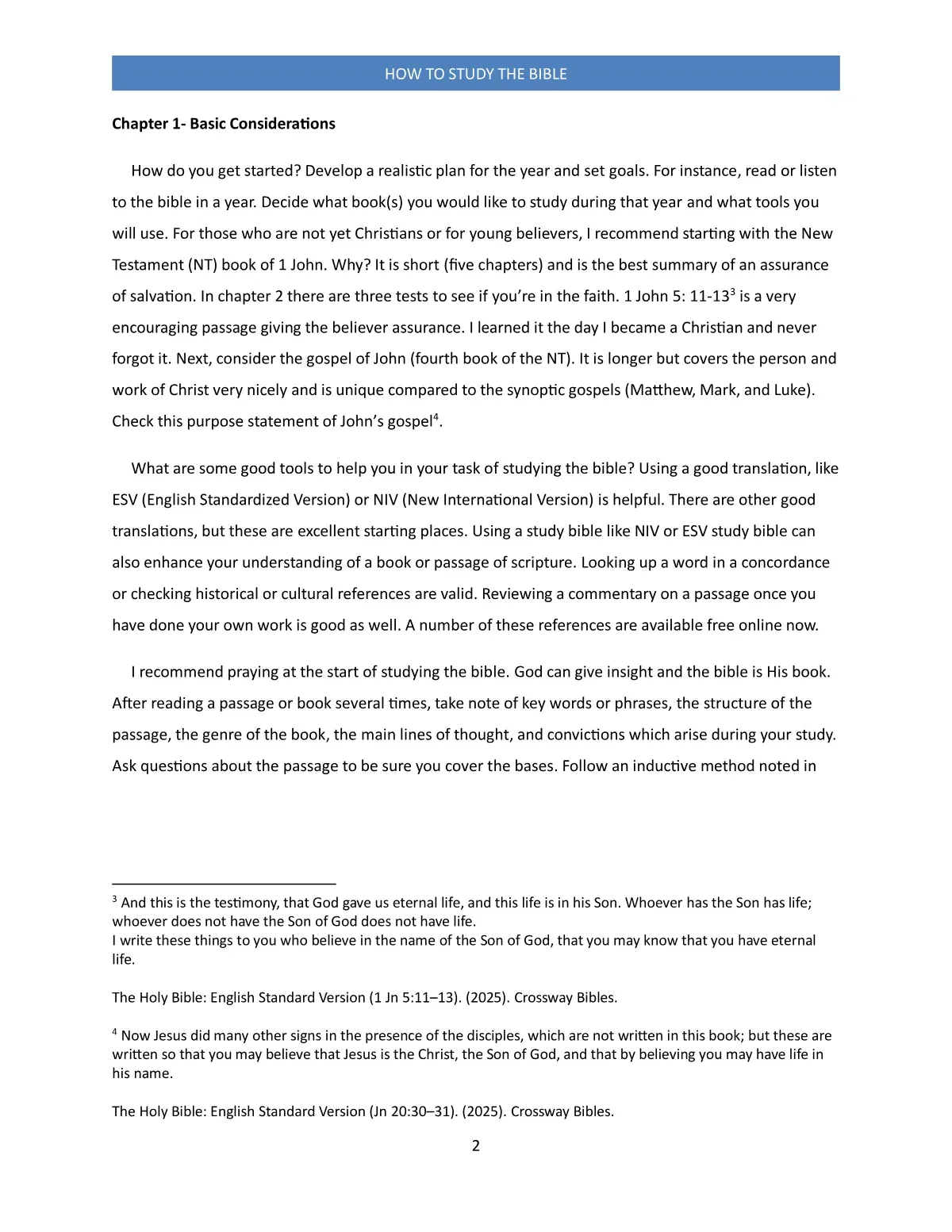
Continue with the full guide
Send me the guideThe inductive method
What does the text say?
What does the text mean?
How does it work in my life?
Study Tips
Building a consistent habit of studying God's Word.
Making Bible study a priority and staying faithful over time.
Understanding why we study Scripture – to know God and be transformed by His Word.

Find Your Starting Point
Complete a short assessment and discover where to begin your Bible study journey.

TBM Study Assessment
Recommendation:
After Assessment


Initial assessment
next step:
Discover our recommended study path

Related Resources










Still Have Questions?
Hermeneutics is the science of Bible interpretation: the principles that help you understand what a passage meant to its first readers and what it means for you today.
An inductive study has three steps: observation (what does the text say?), interpretation (what does it mean?) and application (how does it work in my life?). You let the text lead instead of bringing your conclusions to it.
Dr. Silver recommends 1 John. It is five chapters long and the clearest summary of the assurance of salvation. Then read the Gospel of John. Not sure? Take the Health Score to find your starting point.
A good translation such as the ESV or NIV, and a study Bible. Later, a concordance and a commentary, once you have done your own work first. Many are free online. And begin with prayer: the Bible is His book.
About thirty minutes a day. At that pace you can study the whole Bible, book by book, in under two years.
Genre tells you how to read. A proverb is a principle, not a promise. A narrative records what happened, not always what should have happened. Apocalyptic writing uses symbols, so it shouldn't be read too literally.
No. This study method is designed for both beginners and experienced believers, providing a clear and practical path for learning Scripture.
Yes. The approach works well for personal study, family devotions, discipleship, and small group discussions.
No, but our Study Guides provide structured questions and practical application that make deeper study easier and more engaging.