Summary
A prophet's tears, a nation's fall, and the promise of a new covenant.
by Dr. David Silver3 min read
Read the Summaryby Dr. David Silver3 min read
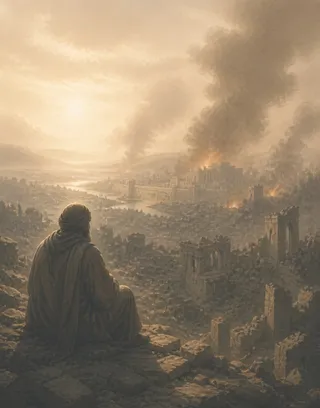
Jeremiah, another major prophet (this book has the most words in the Bible), ministered over forty years beginning in 627 B.C. and ending sometime after the exile to Babylon in 586 B.C. He is called the weeping prophet as he is in anguish over the destruction of God’s people, Jerusalem, and the temple. His calling is in chapter 1. God’s dealings with his people are covered in chapters 1-45; God’s dealings with foreign nations are reviewed in chapters 46-51; the conclusion is in chapter 52 with the final ransacking of Jerusalem. This book is not strictly chronological.
Jeremiah was a priest at Anathoth, which was a few miles outside of Jerusalem. His ministry was active during the reigns of the Judean kings Josiah, Jehoiakim, and Zedekiah (this would also include Jehoahaz and Jehoiachin). God told Jeremiah he was set apart as a prophet before he was born (1: 5). Like Moses, Jeremiah was hesitant to take on this appointed role (1: 6). God pronounces judgment on Judah because of their wickedness in forsaking him and worshipping idols (1: 16).
God continues the indictment in chapter 2 as God’s people have forgotten him (2: 32). In chapter 3 God calls Judah a prostitute who has committed spiritual adultery (3: 1, 8). God calls his people to repentance and to return to him (3: 22, 25). In chapter 4, he warns that the Babylonian army is coming (4: 6, 16). In chapter 5, God says if Jeremiah can find one person who is honest and seeks the truth, he would forgive the city (5: 1). Judah refuses to repent (5: 3). Judah would not listen to the watchmen (6: 17).
Chapter 7 begins Jeremiah’s sermon from the temple. He mainly discussed false religion as being worthless and the prevalence of deception. The people think they can do whatever they want and then find safety in God’s temple. God tells Jeremiah in verse 16 not to pray for the people (also in 11: 14; 14: 11). The Hebrew word shema appears eight times in chapter 7 and it is translated hear and obey. In chapters 8-10, Jeremiah weeps for God’s apostate people (8: 18-22; 9:1). The Lord exhorts his people. In chapter 16 the Lord tells Jeremiah not to marry or to have children (16: 2).
Because of the content of Jeremiah’s message, his life was threatened many times (11: 18-23; 12: 6; 20: 1-2; chapters 26, 37-38). Since he was telling Judah to surrender to the Babylonians, he was taken for treason. In chapters 30-33, Jeremiah focuses on hope for restoration. He discusses the new covenant. The fall of Jerusalem is described in chapter 39. In chapter 40, Jeremiah was freed by Nebuzaradan, the Babylonian commander of the imperial guard. He went to stay with the newly appointed governor Gedaliah.
After Gedaliah is assassinated, the people came to Jeremiah to ask the Lord’s will where they should go (42: 3). The Lord told them to stay where they were, and not to go to Egypt. The people disobeyed and went to Egypt anyway despite warnings of the sword, famine, and plague. Jeremiah was forced to go with them, and tradition says that Jeremiah died there in Egypt.
Prophecies against various nations and cities are discussed including Egypt, the Philistines, Moab, Ammon, Edom, Damascus, Kedar and Hazor, Elam, and Babylon. Chapter 52 concludes the book reiterating the fall of Jerusalem. King Zedekiah rebelled against Babylon, and all his sons and officials were killed; he was blinded, bound, taken to Babylon and put in prison until the day of his death (52: 11). Every important building in Jerusalem, including the temple, was burned down. The walls around Jerusalem were broken down. Those who were not killed were taken to Babylon in exile, except some poor people were left to work the land. King Jehoiachin, in 561 B.C. was released from prison in Babylon and ate regularly at the king’s table. Jeremiah had predicted the exile would last seventy years (25: 12). Later in history this prophecy was helpful to Daniel, and Persia defeated Babylon in 539 B.C. The kings of Persia allowed the Jews in exile to return to Jerusalem.
Structure
Chapters 1–20
A prophet appointed before birth and reluctant to speak; Judah has forsaken the spring of living water, and the temple is no shelter for people who will not obey.
Chapters 21–29
Judgment on Judah’s kings and its false prophets, and a letter telling the exiles in Babylon to settle down for seventy years.
Chapters 30–33
Restoration promised, and a new covenant written on the heart, with sins remembered no more.
Chapters 34–45
Jeremiah imprisoned and lowered into a cistern for telling Jerusalem to surrender; the city falls, the remnant flees to Egypt and takes him with them.
Chapters 46–52
Oracles against Egypt, Moab, Edom, Babylon and others, and a final account of Jerusalem’s destruction.
Key Themes
01
Return is offered again and again and declined.
02
The weeping prophet is beaten, imprisoned, and never believed.
03
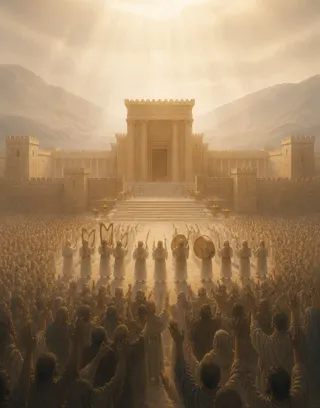
Trusting the building while ignoring the God who lives in it.
04
A law written inside, and a people who all know the Lord.
05
Even Nebuchadnezzar is called God’s servant in the working out of His purpose.
The Challenge We Face
The new covenant promised in chapter 31 is the one Jesus names at the Last Supper: this cup is the new covenant in My blood.
Jeremiah also promises a righteous Branch from David’s line who will reign wisely and be called The Lord Our Righteousness. And in the prophet himself — weeping over a city that would not come to him — there is a picture of the one who wept over Jerusalem.
Apply Scripture
Faithfulness is not measured by the response it gets.
Religious buildings and activity are no substitute for obedience.
God can be grieved and determined at the same time.
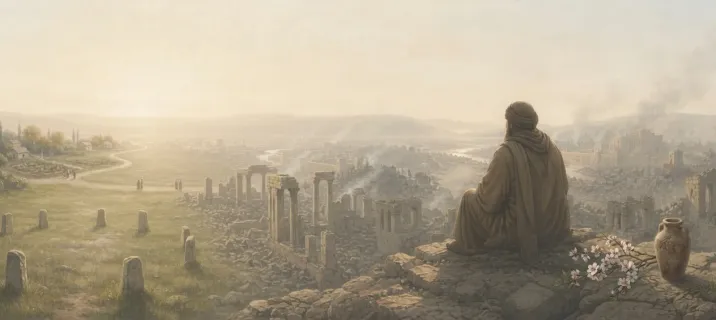
Settle in and seek the good of the place you are in, even in exile.
The covenant God promised changes people from the inside out.

Study guides
You've seen the big picture. Now explore the book verse by verse with our practical Bible Study Guide.
Related Resources