Summary
Life under the sun, and where meaning is finally found.
by Dr. David Silver3 min read
Read the Summaryby Dr. David Silver3 min read
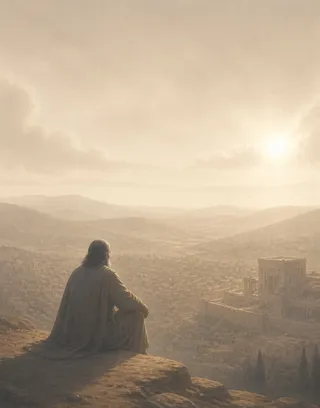
Ecclesiastes is one of the hardest books of the Bible to understand since it is very philosophical and the approach to interpretation is not intuitive. The genre is wisdom with a framed autobiography. A teacher, named Qohelet, tells his story from 1: 12- 12: 8. Tradition points to Solomon in this role, though it is debated. There seems to be a narrator speaking in the third person in 1: 1-11 (the prologue) and 12: 9-14 (the epilogue). The middle section is almost all in the first person (except 7: 27). Qohelet’s whole speech appears to be a foil. A foil is a device used to highlight a contrasting view or character. The theme of the book is to answer the question, ‘What is the meaning of life.’ Qohelet, from his secular perspective (‘under the sun’, used twenty-nine times in the book) doubts and has skeptical wisdom, so to answer that question from seeing and experiencing apart from God’s vantage point seems futile (hebel-Hebrew word used thirty-nine times in the book).
Qohelet experienced pleasure (2: 1), laughter, wine, folly, and undertook great projects (2: 4) including building houses, amassing wealth, and acquiring a harem. Everything was meaningless, or futile (2: 11). Death is another theme which haunted the teacher since he could not see past death and it was inevitable for all (2: 16; 3: 19; 7: 2; 9: 10). Toil, or work, is also a common topic Qohelet emphasizes (2: 17-26). “What does the worker gain (Hebrew is yitron) from his toil? (3: 9)” He does not take a traditional view on wisdom as in Proverbs, but is more autonomous, which leads to recurring frustration. In Proverbs, hard work benefits and laziness leads to poverty. In Ecclesiastes, there may be some benefit to work and some enjoyment, but ultimately it does not satisfy.
Qohelet focuses more on religious matters beginning in chapter 5. He advises to be guarded in worship, to listen rather than to make a vow or to use many words. “Therefore stand in awe of God (5: 7).” Qohelet has a transcendent view of God but does not expound his immanence. He acknowledges that God gives prosperity to some, but they do not enjoy it (6: 2, 3, 6). In the first ten verses in chapter 7 are six ‘better than’ proverbs, which are like those in the book of Proverbs. In 7: 20, he discerns that mankind is not righteous. There is no verse in Ecclesiastes quoted verbatim in the NT, but this verse comes the closest in Romans 3: 10.
Over ten percent of the content of this book is in the form of questions. Qohelet asked some key questions in 6: 12, and he continued to answer them in chapter 8. In verse 7 he states, “No man knows the future.” “No one can comprehend what goes on under the sun. Despite all his efforts to search it out, man cannot discover its meaning. (8: 17)” Even a wise man does not know.
There are ‘carpe diem’ (seize the day) passages in this book where Qohelet calls people to enjoyment. The last such passage is in chapter 9, verses 7-10 (2:24-26; 3:22; 5:18-20; 8: 15; 9: 7-10). He says to enjoy eating and drinking wine, for it is now God favors what you do (9: 7). He also says to enjoy life with your wife (9: 9). Though Qohelet tries to be optimistic in such passages, he ends up being more pessimistic.
In chapter 12, he describes death and getting older and uses funeral language; there are also hints about looking ahead to future events (vv.5, 7). The narrator resumes at verse 9 to end the book with the epilogue. While he is polite towards the teacher in verse 10, his language is more critical in verses 11-12, warning his son of Qoholet’s skeptical wisdom. He concludes the book’s last two verses stressing the meaning of life is to ‘Fear God and keep his commands, for this is the whole duty of man.’ Not only does he correct the doubting faith of the teacher, but in one sentence he summarizes the purpose of the Scriptures.
Structure
Chapter 1:1–11
A narrator introduces the Teacher and his verdict: everything is vapour, and the generations come and go.
Chapters 1:12–6:12
Pleasure, laughter, wine, great projects, wealth and wisdom are all tested, and none of them satisfies; death levels them all.
Chapters 7:1–12:8
Proverbs, questions, warnings about worship and words, and repeated calls to enjoy the ordinary gifts of God while you have them.
Chapter 12:9–14
The narrator returns, weighs the Teacher’s skeptical wisdom, and ends the book: fear God and keep His commandments, for this is the whole duty of man.
Key Themes
01
The word rendered “meaningless” appears nearly forty times; life is fleeting and hard to grasp.
02
Reasoning from observation alone, without God’s vantage point, leads nowhere.
03
The great leveller the Teacher cannot see past.
04
Eat your bread, drink your wine, do your work — these are gifts from God’s hand.
05
The frame of the book corrects the Teacher and tells you where to stand.
The Challenge We Face
The Teacher cannot see past death, and that is the book’s honest dead end.
Christ is the answer it is waiting for: life and immortality brought to light, death swallowed up, labour in the Lord that is not in vain. Read from this side of the resurrection, Ecclesiastes diagnoses exactly what the gospel answers.
Apply Scripture
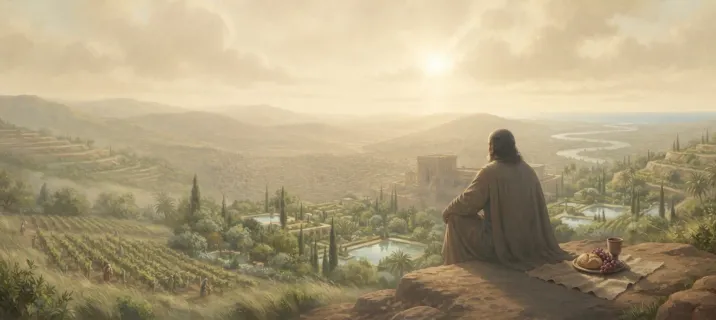
Nothing under the sun will carry the weight of your meaning.
Pleasure, work and achievement are good gifts and poor gods.
Enjoy the ordinary things God puts in your hands today.
Be careful with your words before God; listen more than you promise.
The whole duty of man is to fear God and keep His commandments.

Study guides
You've seen the big picture. Now explore the book verse by verse with our practical Bible Study Guide.
Related Resources